Garden design and build in Lewisham
Creating outdoor spaces that work for Lewisham homes and businesses

If you are looking for Garden design and build in Lewisham, you may already know what matters most: a space that looks good, feels practical, and suits the way you live. In this part of South East London, gardens are often expected to do a lot. They may need to be family-friendly, low-maintenance, pet-safe, sociable, storage-friendly, or simply a calm place to unwind after a busy day. The right design brings all of those needs together in one outdoor space.
A well-planned garden can completely change how a property feels. In Lewisham, that might mean making a compact terrace feel more open, turning a sloped plot into usable levels, or giving a larger rear garden a clearer layout with planting, paving, and seating zones. It can also mean improving access, reducing muddy areas, creating better privacy, and choosing materials that suit local homes and daily use.
Our garden design and build service is tailored to real local needs. We work with homeowners, landlords, and commercial clients who want a reliable team to handle everything from ideas and layouts through to hard landscaping, planting, and finishing details. Whether your project is a full garden transformation or a targeted refresh, the aim is the same: a space that feels considered, durable, and easy to enjoy.
Why local knowledge matters in Lewisham

Lewisham has a wide mix of property styles, and that variety affects how gardens are designed and built. From Victorian and Edwardian terraces to post-war homes, maisonettes, converted properties, and newer developments, each site comes with different proportions, levels, access points, and light conditions. A local team understands that a garden in Catford will not necessarily need the same approach as a space in Forest Hill, Brockley, Hither Green, Ladywell, New Cross, or Sydenham.
Local knowledge is also useful when dealing with access and parking. Many Lewisham streets have restricted frontage, shared access, tight side returns, or limited room for storing materials. Planning how waste, tools, aggregates, and turf or paving will reach the garden is an important part of a smooth project. When this is considered from the start, the work is easier to manage and less disruptive for everyone involved.
Another advantage of choosing a nearby team is the understanding of how gardens are actually used in the area. Some clients need a courtyard that stays tidy with minimal upkeep. Others want a family garden with a lawn, safe boundaries, and space to play. Some want a contemporary entertaining area with lighting and seating. Others need a practical outdoor area for bins, bikes, and plant storage. Local design and build services are stronger when they respond to those everyday realities.
What garden design and build can include

A complete garden project usually includes more than one type of work. The design stage establishes the layout, materials, features, and planting direction. The build stage then turns that plan into a finished outdoor space. For many clients, the benefit of using one team for both stages is consistency: the design is created with construction in mind, and the build reflects the original intention without unnecessary compromise.
Typical services may include:
- Site assessment and initial design discussions
- Layout planning for patios, lawns, paths, and planted areas
- Groundworks, levelling, and drainage considerations
- Patio and paving installation
- Timber, composite, or rendered decking areas
- Garden walls, edging, steps, and raised beds
- Fencing and boundary improvements
- Lawn creation, including turfing and preparation
- Planting schemes suited to light, soil, and maintenance preferences
- Lighting, decorative features, and finishing touches
Depending on the property, the project might also include practical features such as storage screening, bin enclosures, access gates, or improved surfacing around side passages and rear entrances. The best results come from combining beauty with everyday usefulness.
Designing a garden that suits how you live
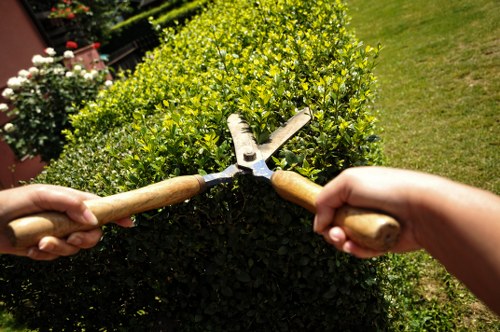
Good garden design starts with the question: how will this space be used? In Lewisham, the answer varies widely. Some gardens are mainly for relaxing in the warmer months. Others need to handle children, pets, outdoor dining, or regular entertaining. Some clients want a simple maintenance plan that avoids spending weekends on upkeep. Others are looking for a more layered, planted look with year-round structure and colour.
Designing with purpose helps avoid common problems such as awkward dead space, narrow paths that do not feel inviting, or planting beds that are difficult to reach and maintain. It also helps balance hard landscaping with softer features so that the garden does not feel too busy or too bare. A successful layout usually includes clear circulation, well-sized zones, and a sense of flow from the house to the back of the garden.
When planning a garden, it is helpful to think about sunlight, privacy, storage, drainage, and maintenance. A space that gets strong afternoon sun may benefit from shaded seating or drought-tolerant planting. A garden overlooked by neighbouring properties may need screening or layered planting. A smaller terrace may need clever zoning to prevent it feeling cramped. The right design answers these issues early, before construction begins.
Design ideas for different Lewisham property types
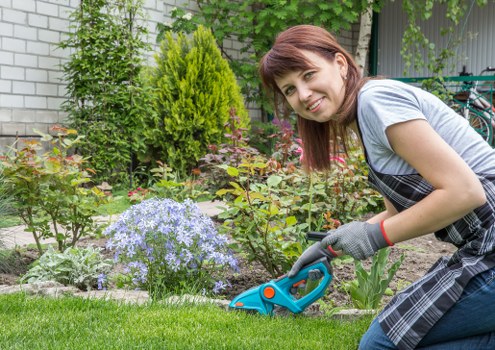
Every property type brings different opportunities. In a Victorian terrace, a long narrow garden may work well with a sequence of zones: a patio near the house, a lawn or gravel section in the middle, and a planted area or seating space at the far end. For a maisonette with a smaller rear garden, the focus may be on privacy, smart storage, and planting that softens boundaries without taking over the available space.
For family homes, durability matters. Surfaces need to cope with regular use, muddy shoes, games, and changing weather. In these cases, a well-chosen patio, easy-clean paving, robust lawn preparation, and practical planting can make the whole garden feel more usable. For rental properties or managed residential spaces, low-maintenance layouts and strong edge definition can make ongoing care simpler.
Commercial spaces in Lewisham may need a different balance again. Small hospitality gardens, office courtyards, and shared outdoor areas often benefit from tidy finishes, durable materials, and planting that creates atmosphere without demanding too much upkeep. A good design and build approach should be flexible enough to support these varied needs while keeping the result cohesive and attractive.
How a garden project usually works
From first ideas to finished space
For many customers, the process is just as important as the result. A well-managed project should feel clear and straightforward from the start. It typically begins with an initial discussion about the garden, the current issues, and what you would like to achieve. This may involve walking through the space, identifying access points, discussing existing features, and talking through practical constraints such as levels, drainage, or shared boundaries.
After that, the design direction can be developed. Some clients want a fully considered layout, while others prefer a more simple plan based on specific works. Either way, the goal is to agree on the main elements before construction begins. This keeps the project focused and helps avoid costly changes later on. It also gives you a clearer picture of how the finished garden will function day to day.
Once the plan is agreed, the build phase begins. This may involve clearing existing features, preparing the ground, setting levels, installing foundations for paving or structures, and then building up the garden in stages. The final phase includes planting, detailing, and tidying so that the space is ready to use. For clients in Lewisham, a neat and efficient build process is particularly valuable where access is tight or neighbours are close by.
What is included in a typical build stage
A professional garden build is more than simply laying materials. The preparation work is often the most important part because it affects how the whole garden performs over time. Good preparation may include removing old surfaces, correcting uneven ground, improving drainage, and creating stable foundations for patios, walls, or decking. These steps help reduce movement, standing water, and future maintenance issues.
Build-stage work often covers:
- Clearing and site set-up
- Excavation and waste removal
- Ground preparation and level correction
- Sub-base installation for hard landscaping
- Construction of retaining walls, steps, and structural features
- Installation of paving, decking, and paths
- Fencing, screens, and boundary details
- Planting beds, soil improvement, and turf preparation
- Final clean-up and handover
Some projects also include decorative elements such as garden lighting, planters, pergolas, or water features. The exact scope depends on your budget, the size of the site, and the look you want to achieve. Every garden should be built with use, upkeep, and longevity in mind.
Materials and finishes that work well locally
Choosing the right materials is an important part of any garden design and build project. In a Lewisham setting, materials need to suit the local climate, the architecture of the property, and the amount of use the garden will receive. Surfaces should be attractive but also practical, especially when rain, foot traffic, and seasonal changes are part of everyday life.
For patios and paths, many homeowners prefer materials that offer a clean finish and are easy to maintain. For decking, the choice between timber and composite may depend on the desired appearance, upkeep expectations, and how the garden will be used. Raised beds, edging, and steps can be built from several materials too, each with a different visual effect and lifespan. The best option is not always the most decorative one; it is the one that fits the whole scheme.
Planting choices matter as much as paving or fencing. The right mix of shrubs, perennials, grasses, and seasonal plants can soften hard edges and keep the garden looking alive throughout the year. In shaded spaces, it may be better to choose plants that cope well with lower light. In sunnier gardens, more open planting and drought-tolerant species may be appropriate. A balanced scheme helps create structure without making the garden feel overfilled.
Practical solutions for small, awkward, or sloping gardens
Making the most of limited space
Many Lewisham gardens are not large, and some have awkward layouts, narrow widths, or difficult transitions between levels. That does not mean they cannot be transformed into useful and attractive spaces. In fact, compact gardens often benefit most from thoughtful planning because every square metre has to work hard. The key is to avoid clutter and focus on a layout that feels open and manageable.
For small gardens, it often helps to simplify the number of materials and create visual continuity. A single paving style, a limited planting palette, and well-defined edges can make a space feel bigger and calmer. Vertical planting, built-in benches, and slimline storage can also improve the use of space without crowding it. These ideas are especially useful in terraced properties where the garden needs to feel connected to the house.
Sloping gardens present different opportunities. Rather than fighting the gradient, a design can use steps, terraces, or raised areas to create distinct functions. This can improve access and make the garden feel more organised. Drainage also becomes more important in sloping spaces, as water movement needs to be managed carefully. With the right build approach, even a challenging garden can become a practical and welcoming part of the property.
Family use, pets, and low-maintenance living
Many customers in Lewisham want gardens that suit real life, not just showpiece spaces. If you have children or pets, the layout should support safe movement, durable surfaces, and easy supervision from the house. If you want a lower-maintenance garden, the design should reduce areas that trap debris, become difficult to reach, or require constant cutting back.
A low-maintenance garden does not have to feel plain. It can still have planting, seasonal interest, and character. The difference is that the planting is chosen more carefully and the layout is designed to be manageable. Popular approaches include larger paved areas, gravel sections, evergreen structure, raised beds, and plants that do not need constant attention. For busy households, these choices can make a big difference to how often the garden gets used.
Pet-friendly gardens also deserve careful planning. Surfaces should be easy to clean, planting should avoid fragile areas where possible, and boundaries need to be secure. A well-planned garden lets the whole household enjoy the space without creating extra work. That balance between practicality and appearance is one of the main benefits of a tailored design and build service.
Commercial and shared outdoor spaces
Outdoor areas for businesses and managed properties
Garden design and build is not only for private homes. In Lewisham, there is also demand from commercial customers, landlords, managing agents, and organisations that need outdoor areas to be tidy, durable, and suitable for regular use. This might include communal courtyards, front setbacks, entry spaces, staff break areas, or customer-facing gardens attached to hospitality and retail settings.
Commercial projects usually place a strong emphasis on consistency, durability, and ease of maintenance. Materials need to look good for longer and cope with frequent use. Planting should remain presentable through the seasons without requiring excessive input. Access routes need to be considered carefully so that ongoing maintenance is simple. These are all areas where a local team can make planning easier and more efficient.
For shared residential spaces, the goal may be to improve appearance while keeping upkeep manageable for residents or caretakers. This can involve structured planting, better pathways, controlled edges, and surfaces that are easy to clean. A smart garden build can improve first impressions and make an outdoor area feel more welcoming to everyone who uses it.
Pricing factors and what affects the quote
Every garden project is different, so the cost of a design and build service will depend on a number of practical factors rather than a single fixed figure. The size of the garden is one factor, but it is not the only one. The condition of the existing space, the amount of clearance needed, the complexity of the design, the materials chosen, and the access to the site all influence the final scope.
Typical pricing factors include:
- The overall size and shape of the garden
- Whether old landscaping needs to be removed first
- Ground conditions and drainage requirements
- Level changes, walls, or steps
- The type and quantity of paving, decking, or timber work
- Planting depth and soil improvement needs
- Fencing, gates, and boundary upgrades
- Access for materials, machinery, and waste removal
- How detailed the design and finishing elements are
When you request a quote, it helps to be clear about what you want to prioritise. For example, you may want the most urgent work done first and then add planting or lighting later. Or you may want the whole project completed in one phase. A clear brief helps shape the proposal and makes it easier to compare options. Request a free quote once you are ready to move forward, and ask for the scope to be explained in plain language.
How to prepare for a garden design and build project
A simple checklist before work begins
Preparing well can make the project run more smoothly and help the team focus on the work itself. Before the build starts, it is helpful to think about what should stay, what should go, and how the garden will be used during the works. If there are items stored outside, such as furniture, bikes, plant pots, or toys, these may need to be moved to create access.
Preparation checklist:
- Clear furniture, pots, ornaments, and loose items from the garden
- Identify any plants, features, or structures you want to keep
- Make sure access gates and side passages are available
- Discuss parking or loading considerations in advance
- Check where water and electricity access may be needed
- Agree on the main priorities for the space
- Consider whether neighbours may be affected by the timing of work
It is also sensible to think about how you will use the space while the project is underway. Some customers prefer to keep children and pets away from the work area; others may want temporary access arrangements. A practical plan reduces interruptions and helps the project move along more comfortably.
What to expect from a professional local team
When you invest in garden design and build in Lewisham, you should expect clear communication, sensible planning, and work that is suited to the site rather than copied from somewhere else. A professional local team should be able to explain the stages of the project, discuss suitable materials, flag potential issues early, and keep the site tidy as the work progresses.
You should also expect attention to detail. In outdoor work, small things make a big difference: the line of a path, the depth of a step, the placement of a planting bed, the finish around a fence post, or how a new patio meets the house. These details affect both appearance and usability. A well-finished garden is usually the result of careful preparation and consistent workmanship.
If you are comparing options, ask yourself whether the team understands the realities of local projects. Do they account for access issues? Do they explain the materials in a way that makes sense? Do they focus on what will work for your household or business rather than simply suggesting a standard layout? Those are the signs of a service that is genuinely suited to the area.
Areas covered across Lewisham
Neighbourhoods and nearby locations
Local garden design and build services are often requested across a wide part of the borough and the surrounding area. Customers in Lewisham may be based in or near Catford, Hither Green, Ladywell, Brockley, Forest Hill, New Cross, Sydenham, and Southend, as well as nearby residential streets and mixed-use areas. Each location has its own character, and that often influences the most suitable approach to design and construction.
Some streets are better suited to straightforward access and faster logistics, while others need more careful planning because of parking restrictions, narrow frontages, or shared entrances. A local team that works regularly in the area is more likely to anticipate these challenges and keep the project moving with less disruption. That is especially important where neighbours are close together and space is limited.
Whether the property is a private home, a rented flat with outdoor access, a communal garden, or a commercial courtyard, the same principles apply: make the space usable, make it attractive, and make sure it suits the conditions on site. Book your service now if you are ready to turn an underused garden into a space that genuinely adds value to the property.
FAQs
Common questions from local customers
How long does a garden design and build project take?
Timelines vary depending on the size of the garden, the complexity of the work, and weather conditions. A simple refresh may take less time than a full transformation with multiple features. The best way to understand the likely schedule is to discuss the scope at the start.
Do I need a full design before building starts?
Not always. Some projects benefit from a detailed design, while others can be based on a clear agreed brief. If the space is complex, sloped, or intended for multiple uses, a design-first approach is often more helpful.
Can you work with a small garden?
Yes. Smaller spaces often benefit the most from thoughtful planning. The aim is to use every part of the garden well so it feels open, practical, and easy to maintain.
What if my garden has poor drainage or uneven ground?
These are common issues in many gardens. They can usually be addressed as part of the preparation and build process, but the exact solution will depend on the site conditions.
Can a garden be designed to require less maintenance?
Yes. Low-maintenance layouts are a popular choice for busy households, landlords, and commercial clients. The right materials and planting can reduce ongoing effort without making the garden look plain.
Do you handle both residential and commercial work?
Many local teams do, and both types of customer can benefit from practical design, durable materials, and a well-managed build process. The requirements are different, but the need for a tidy and functional result is the same.
Why choose a local Lewisham company for garden design and build?
There are many reasons customers prefer a local company for outdoor projects. First, local teams understand the style and layout of nearby homes. Second, they are better placed to deal with access constraints, parking limitations, and local site conditions. Third, they usually have more experience with the kind of gardens commonly found in the area, from compact urban courtyards to longer family gardens.
There is also reassurance in working with a team that knows how to manage the practical side of the job. Garden work can involve heavy materials, disruptive clearance, and several stages of construction. A local team with regular experience in the borough is more likely to plan these stages sensibly and keep communication clear throughout.
For customers, this means less guesswork and a more joined-up service. Instead of piecing together separate contractors for design, hard landscaping, and planting, you can work with one team that understands the full picture. That can make the process simpler, reduce delays, and help ensure the finished space feels consistent from start to finish.
Ready to improve your outdoor space?
Talk through your ideas and take the next step
If your garden is not working as well as it should, now is a good time to explore the options. A thoughtful garden design and build service can turn an awkward, tired, or underused space into something much more enjoyable. Whether you want a modern paved garden, a greener planted retreat, a family-friendly layout, or a low-maintenance finish, the right plan can make a real difference.
Contact us today to discuss your project, share your ideas, and request a free quote. If you already know what needs to change, we can help shape the best way to achieve it. If you are still deciding, we can talk through the possibilities and help you understand what would work best for your property, your budget, and your day-to-day needs.
Book your service now and take the first step toward a garden that suits your home or business in Lewisham.