Health and Safety Policy for Landscaping Lewisham
 Landscaping Lewisham services are carried out with a clear commitment to protecting staff, clients, visitors, and members of the public. This health and safety policy sets out the standards that guide every task, from routine garden maintenance to more complex outdoor works. Our approach is based on prevention, awareness, and responsible working practices, with safety treated as an essential part of quality service.
We recognise that landscaping activities can involve machinery, tools, lifting, weather exposure, uneven ground, and interaction with plants or materials that may present risks. For that reason, all work is planned carefully, and suitable control measures are implemented before any job begins. Safe landscaping practice is not an optional extra; it is a core requirement of how we operate.
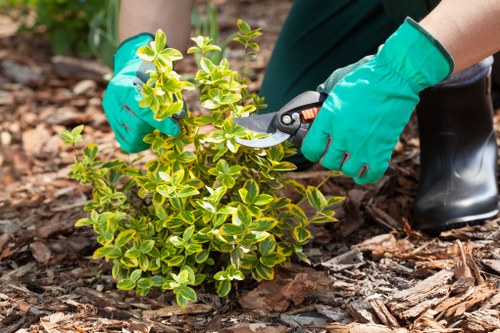 The purpose of this policy is to reduce the likelihood of injury, illness, property damage, and environmental harm while maintaining efficient service delivery. It applies to all employees, subcontractors, and anyone working on our behalf. Every individual involved in landscaping services is expected to follow the same high standards and contribute to a culture of safety.
Risk assessment is central to our working method. Before work starts, hazards are identified and reviewed, including trip risks, sharp tools, manual handling demands, moving vehicles, and exposure to chemicals or dust. Where necessary, tasks are adjusted to remove or reduce those hazards. This may include using barrier zones, changing the work sequence, or selecting safer equipment.
All team members must be competent for the tasks they carry out. Training covers safe tool use, manual handling, personal protective equipment, emergency response, and awareness of site-specific risks. Supervisors are responsible for ensuring that instructions are understood and followed. Competence and supervision help prevent mistakes and support consistent safe working.
 Equipment used in landscaping Lewisham projects must be suitable for the task, maintained in good condition, and checked before use. Faulty tools or machinery are removed from service immediately. Guards, handles, and safety devices must never be bypassed. Where powered equipment is used, operators must wear the correct protective items and keep clear of bystanders. Regular inspection and maintenance are key parts of our safety system.
Manual handling is carefully managed because landscaping often involves lifting soil, moving paving materials, shifting waste, or carrying heavy equipment. Tasks are planned to avoid unnecessary strain, and lifting aids are used where appropriate. Team members are encouraged to ask for assistance whenever an item is too heavy, awkward, or unstable. Safe lifting is supported by correct posture, team coordination, and sensible load limits.
We also take a cautious approach to substances that may affect health. Fertilisers, fuels, cleaning products, and treatment materials must be stored and used according to instructions. Exposure control is essential when handling any product that could irritate skin, eyes, or breathing. Staff are instructed to use gloves, eye protection, and other suitable PPE when required, and spills are dealt with promptly and safely.
Worksite conditions can change quickly, especially outdoors. Rain, wind, heat, ice, and poor ground conditions can create additional hazards. Jobs may be delayed, modified, or paused if conditions become unsafe. 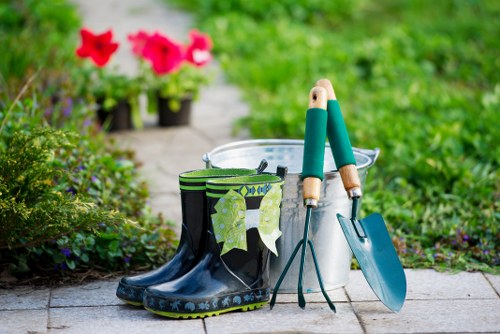 Weather awareness is especially important in landscaping work because it affects footing, visibility, tool handling, and overall worker wellbeing. No deadline should override safe decision-making.
We maintain clear arrangements for emergency situations. First aid supplies are available, and staff are expected to know how to respond to cuts, strains, falls, heat stress, and accidental contact with hazardous materials. Emergency procedures are reviewed regularly so that action can be taken quickly and calmly if an incident occurs. Reporting near misses is encouraged because it helps identify problems before injuries happen.
Visitors and others near the work area must also be protected. Barriers, signage, and good communication are used to reduce the risk of accidental entry into active work zones. When working near driveways, pathways, or shared outdoor spaces, extra care is taken to manage movement and maintain awareness of the public. Site safety depends on keeping work areas orderly and controlled.
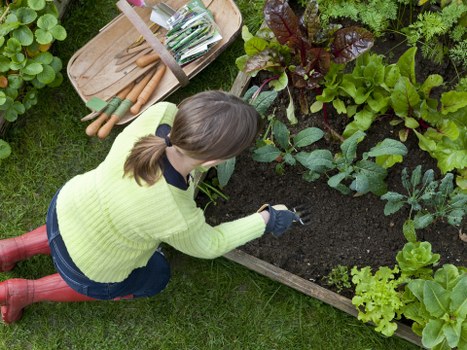 This policy is reviewed periodically to ensure it remains effective, relevant, and aligned with current working practices. Improvements are made whenever lessons are learned from inspections, incidents, or changing operational needs. Every member of the team shares responsibility for maintaining a safe environment and supporting the landscaping health and safety standards that protect people and property.