Patio installation in Lewisham
If you are planning patio installation in Lewisham, you are probably looking for more than just a place to put a table and chairs. A well-built patio can turn an underused garden into a practical outdoor space for relaxing, entertaining, family meals, or simply making the most of limited outside space. In Lewisham, where homes range from Victorian terraces and period conversions to modern flats with courtyard gardens, patios need to be designed with the property, the available access, and the way you actually live in mind.
Whether you are improving a back garden in Brockley, updating a side return in Hither Green, creating a usable outdoor area near Forest Hill, or replacing an old, uneven slab layout in Sydenham, the right patio service can make a noticeable difference. A local team understands the common challenges in the area, from narrow entrances and shared access to sloping plots, drainage concerns, and the need to keep disruption to a minimum. Request a free quote and discover how a carefully planned patio can add comfort, structure, and everyday value to your property.
Many local homeowners and landlords are also surprised by how much a new patio can improve the practical use of a garden. It can reduce muddy patches, create cleaner routes to sheds or extensions, and make maintenance simpler throughout the year. For commercial spaces too, such as cafés, care homes, office courtyards, and community properties, a hard-wearing paved area can improve presentation and usability without needing constant upkeep. If you are thinking about Lewisham patio installation, this page explains what is involved, what to consider, and how a local service works from first enquiry to completion.
Why patios are such a smart choice for Lewisham properties
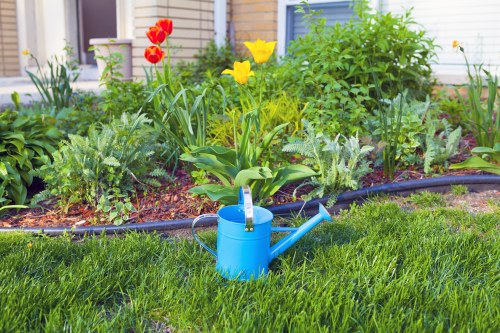
Lewisham has a wide mix of property styles, which means there is no one-size-fits-all approach to garden design. Many homes have modest outdoor areas, side passages, or split-level gardens that benefit from a carefully measured paved zone rather than a large, open lawn. A patio is often the most sensible way to create a usable outdoor surface without taking on the maintenance demands of grass or the instability of loose gravel.
For families, a patio gives children a clean, safe area for play equipment, outdoor dining, and everyday movement between the house and garden. For busy professionals, it can provide a low-maintenance setting that still feels inviting after a long day. And for landlords or property managers, a solid patio can help reduce long-term wear and make external spaces more attractive to tenants. Patio installation in Lewisham is often about practical lifestyle improvement as much as appearance.
Local conditions matter too. In many parts of Lewisham, gardens may have compact dimensions, older retaining edges, or soil conditions that need proper preparation. A patio built with correct foundations, drainage, and edging is far more likely to remain level and attractive over time. That is why the planning stage matters so much: the best patios are not just laid quickly, they are designed to suit the site, the usage, and the weather conditions the surface will face year after year.
Suitable for homes, rentals, and business premises
Patios are flexible enough to work in many different settings. Homeowners often want a place for seating, cooking, or outdoor entertaining, while landlords may want a durable, easy-to-maintain surface that remains presentable with minimal effort. Commercial customers often need something that looks clean and welcoming while standing up to frequent use. A properly installed patio can achieve all of this when planned with the right materials and layout.
What is included in a patio installation service?

A reliable patio service is more than laying slabs on a patch of ground. It begins with a site assessment and clear discussion of how the space will be used. That helps determine the best shape, size, material, levels, drainage direction, and finish. If the current area has old paving, uneven ground, or poor water runoff, these issues need to be addressed before any new surface is installed.
Most projects include several important stages. These may involve removing old paving or vegetation, excavating to the correct depth, forming a stable sub-base, and adding the chosen paving material with consistent jointing and neat edges. The process should also include attention to gradients so that water runs away from buildings and does not collect in problem areas. Lewisham patio installation often needs careful preparation because many gardens in the borough sit close to walls, fences, and adjoining properties.
Depending on your property and goals, the service may also include:
- Advice on patio layout and size
- Selection of suitable paving materials
- Ground preparation and levelling
- Removal of existing hard landscaping
- Drainage and fall adjustments
- Edging and border detailing
- Pointing or joint finishing
- Clean-up and waste removal
Some customers want a simple, functional surface, while others are after a more decorative garden feature that complements the brickwork, windows, or landscaping. Either way, the installation should be tailored to the property rather than fitted from a generic template.
Materials commonly used for patios
The right material depends on the look you want, the amount of use the patio will receive, and your budget. Popular choices include concrete slabs, natural stone, porcelain paving, and textured paving products designed for better grip. Each has its own advantages, and a local installer can help you compare appearance, maintenance needs, and suitability for your garden.
Choosing the right style for your Lewisham garden

Patio design should complement the character of the property. In Lewisham, that often means balancing traditional features with modern practicality. A Victorian terrace may suit a classic paving pattern and subtle edging, while a contemporary home or extension might look better with large-format slabs and sharper lines. For smaller gardens, simple layouts often create the best sense of space and flow.
One of the most useful steps is deciding how the patio will connect with the rest of the garden. Some customers want a single seating area close to the house, while others prefer a series of zones that lead from the back door to a lawn, planting beds, or a storage area. If you have a kitchen extension, bi-fold doors, or a rear access point used regularly, the patio should support that movement naturally. Patio installation in Lewisham works best when form and function are planned together.
Many local gardens also benefit from a combination of textures. For example, a paved dining area may be paired with gravel borders, raised beds, or steps down to another section of the garden. This can soften the hard landscaping and make the space feel more inviting. If you are unsure what style suits your home, looking at your property’s lines, brick tones, and available light can help guide the decision.
Popular patio finishes
Customers often choose from finishes that balance appearance and maintenance. Smooth surfaces can create a modern feel, while riven or textured paving may suit more traditional homes. Porcelain is often selected for a sleek appearance and easy cleaning, while natural stone brings variation and character. The right choice depends on how you use the area, whether the patio is shaded, and how much care you want to spend on upkeep.
Things to think about before choosing a finish
- Slip resistance in wet weather
- How easy the surface is to clean
- Whether the material suits the house style
- How the paving will look in shade and sunlight
- Long-term maintenance requirements
How a local Lewisham team helps with access, parking, and site constraints
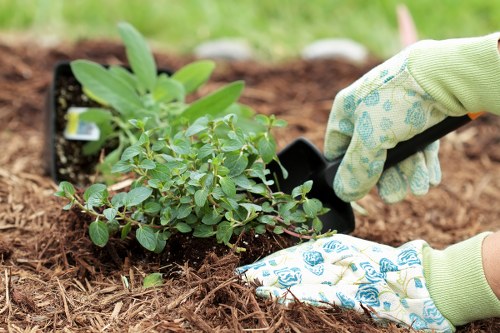
One of the biggest reasons customers look for a local company is straightforward practicality. Lewisham’s streets, driveways, and garden access points can present real challenges for material delivery, waste removal, and working space. Some properties have limited front access, shared pathways, or tight rear garden entrances. Others may be in roads where parking is limited and loading needs to be carefully managed.
Local experience helps avoid delays and unnecessary disruption. A team familiar with the area can plan deliveries to suit the location, consider the best access route for heavy materials, and work around the property in a sensible order. That matters whether the job is a compact patio in Catford, a larger family garden in Blackheath borders, or a courtyard space near Deptford. When a team understands local layouts, it can also make better decisions about where to store materials and how to protect existing features during the works.
Access is not just about logistics; it can affect the final quality of the job too. If moving materials is difficult, a project needs a realistic plan that still allows for proper excavation, base preparation, and finishing. Shortcuts in hard landscaping usually show up later as sinking slabs, loose joints, or drainage issues. That is why a Lewisham patio installation service should always balance speed with careful workmanship.
Common local property situations
- Narrow side access leading to rear gardens
- Raised or sloping gardens needing level changes
- Older properties with uneven ground or existing hardstanding
- Flats and maisonettes with compact courtyards
- Shared access routes where care is needed around neighbours
- Commercial yards and side spaces requiring durable finishes
By planning around these details from the start, the project can move more smoothly and the finished result is more likely to suit daily use.
How the patio installation process usually works

Although every project is different, most patio installation jobs follow a similar sequence. The first step is usually an initial discussion about your goals, the size of the space, and the sort of finish you want. From there, the team can assess the site and suggest appropriate materials and construction methods. If the patio is being added as part of a broader garden improvement, the layout may also need to be coordinated with paths, steps, turf, or planting areas.
Once the design and scope are agreed, preparation begins. This may involve removing old slabs, clearing vegetation, taking away unstable soil, and excavating to the correct depth. After that, a strong sub-base is formed and compacted to support the paving. The surface layer is then laid carefully, with attention to alignment, levels, spacing, and finish. Final steps often include jointing, cleaning, and checking drainage paths.
For many customers, the value of a local service is in the clarity of this process. You should know what is happening, how long the work is likely to take, and what will be left behind at the end. A well-organised team will keep things tidy, protect nearby surfaces where needed, and make sure the finished patio is ready to use once the installation is complete.
A typical project flow
- Discuss your ideas and practical requirements
- Assess the site and measure the area
- Recommend suitable materials and layout options
- Prepare the ground and remove old features
- Install the base and paving layers
- Finish edges, joints, and drainage details
- Clean the area and confirm the result
If you are comparing patio companies, ask how they handle each stage and whether the preparation work is included. Good groundwork is often the difference between a patio that settles well and one that causes problems later.
Preparation checklist for homeowners and property managers
Before work begins, a little preparation can help the project run more smoothly. This is especially helpful in Lewisham, where access may be tight and workspaces can be compact. You do not need to do everything yourself, but a few simple steps can reduce delays and protect nearby items.
Here is a practical checklist to consider before your patio installation starts:
- Clear the area of furniture, pots, and ornaments if possible
- Remove fragile items from nearby walls or storage spaces
- Make sure there is a clear access route to the garden
- Discuss parking or loading restrictions in advance
- Let neighbours know if shared access might be affected
- Check whether any existing outdoor electrics or water features need to be isolated
- Decide whether you want to keep or remove any existing edging, beds, or steps
For landlords and commercial customers, it can also help to schedule the work at a time that minimises disruption to occupants, staff, or visitors. If the patio is part of a rental property or business premises, think about the most convenient timing for deliveries, ground works, and access control.
Contact us today if you want help planning a patio project around a busy household or operational property. A straightforward conversation at the start can save time later and help ensure the finished space suits your needs.
What to keep in mind if you already have an old patio
If your current paving is cracked, uneven, or badly drained, it may be possible to repair certain areas. In other cases, full replacement is the better option. Signs that replacement may be more sensible include sinking slabs, loose pointing, widespread staining, or a layout that no longer fits how the garden is used. A professional assessment can help you weigh the cost and practicality of repairs versus a fresh installation.
Pricing factors for patio installation
Customers often want to know what affects the cost of a patio project. While exact prices depend on the site and chosen materials, there are several common factors that influence the overall scope of work. Understanding these helps you compare quotes more fairly and avoid surprises later.
Typical pricing factors include:
- Size of the patio area
- Choice of paving material
- Condition of the existing ground
- How much excavation is required
- Whether old paving needs to be removed
- Access for materials and waste removal
- Need for drainage adjustments or step construction
- Complexity of edging, borders, and finishing details
A larger area does not always mean a more difficult job, but awkward access or poor ground conditions can add time and labour. Similarly, a simple layout may be more economical than a design with curves, multiple levels, or mixed materials. The best way to approach budgeting is to talk about what matters most to you: appearance, durability, maintenance, or a mix of all three.
When requesting a quote, it is helpful to provide the approximate size of the area, what is currently there, and any preferences you already have. If you are unsure about materials or layout, that is perfectly normal. A good local patio installer can explain the likely options and help you decide on a practical solution for your garden or premises.
How to compare quotes sensibly
- Check whether excavation and base preparation are included
- Ask what type of materials will be used
- Confirm whether waste removal is part of the service
- Look at the level of detail in the proposed work
- Make sure the scope is clear before the job starts
Why choose a local company for patio installation in Lewisham?
Choosing a local company can make the whole process easier from the first conversation to the final clean-up. Local knowledge is not just about directions; it is about understanding the types of gardens, access issues, and customer needs that are common in the area. That familiarity can lead to better recommendations and more realistic planning.
For example, a local team is more likely to understand how to work around terraced homes, narrow frontages, shared rear access, and the need to keep noise and disruption sensible for neighbours. They are also often better placed to respond quickly, arrange site visits efficiently, and carry out work with local conditions in mind. This matters whether the job is for a private home, a rental property, or a small commercial courtyard.
There is also a practical benefit in speaking to someone who knows how Lewisham gardens are often used. In many homes, outdoor areas need to serve several purposes at once: dining, storage, play, drying space, and easy movement to the back door or extension. A patio should support those everyday routines rather than getting in the way of them. That is where a locally informed approach becomes valuable.
What customers often value most
- Clear communication about the work
- Practical advice based on real site conditions
- Reliable scheduling and sensible planning
- Care with access, neighbours, and property features
- A finished patio that suits the home and lifestyle
If you want a patio that feels like a genuine part of the property rather than an afterthought, working with a local service is often the best starting point.
Areas covered around Lewisham
Patio work is often requested across the wider borough and surrounding neighbourhoods, especially where outdoor spaces need an upgrade or replacement. Local customers may come from areas such as:
- Lewisham Central
- Hither Green
- Catford
- Brockley
- Deptford
- Ladywell
- Forest Hill
- Sydenham
- Blackheath borders
- New Cross
This mix of locations reflects the variety of property types in and around the area. Some customers need a neat courtyard solution for a compact urban home, while others are looking for a larger entertaining space for a family garden. The same service can be adapted for each setting, provided the design and groundwork are tailored to the site.
Commercial customers in the area may also need hard landscaping for entrances, break areas, or outdoor seating spaces. A durable patio or paved courtyard can improve presentation and practicality without requiring the level of maintenance that softer surfaces might need.
Residential and commercial applications
Residential work often focuses on appearance, comfort, and family use. Commercial projects may place greater emphasis on accessibility, cleanliness, and wear resistance. In both cases, a well-installed patio should be built to suit the expected traffic and the environment it will serve.
Frequently asked questions
How long does patio installation usually take?
The timeframe depends on the size of the area, the condition of the ground, and the complexity of the design. Small patios may take less time than larger or more detailed projects, but any installation that requires significant excavation or drainage work will naturally take longer. A proper assessment is the best way to get a realistic idea of duration.
Can a patio be installed in a small garden?
Yes. In fact, smaller gardens often benefit greatly from a well-planned patio because it creates a clean, usable area without crowding the whole space. Careful sizing and layout are important so that the garden still feels open and practical.
Do I need to replace my whole patio if only part of it is damaged?
Not always. Some patios can be repaired, lifted, or re-levelled locally. However, if the underlying base has failed or the overall layout no longer works, replacement may be the better long-term option. A local installer can assess the situation and recommend the most sensible route.
What paving materials are best for low maintenance?
Low-maintenance choices are often those that are easy to clean and less prone to staining. Many customers ask about porcelain or other durable paving options, but the best material still depends on the property, exposure, and how the patio will be used. A textured finish may also be useful where slip resistance is a priority.
Will the patio need drainage?
Most patios need some consideration of drainage and surface fall. Water should not be left to pool near the house or in low spots. Good planning at the start helps prevent issues later, particularly on compact plots or where the garden already has drainage challenges.
Can I use the patio straight after installation?
That depends on the materials and finishing method used. Some surfaces may need time before heavy use, especially if jointing or setting products are involved. Your installer should explain when the area will be ready for normal use.
Do you work on commercial properties as well as homes?
Yes, patio installation can be suitable for a range of residential and commercial settings. The design, surface choice, and working schedule can be adapted to suit the property and its use.
If you have a question that is not covered here, book your service now or request a quote so the details of your site can be discussed properly.
Making the most of your new patio
Once your patio is installed, the space can be developed in many simple ways. Outdoor furniture, planters, lighting, and planting borders can all help turn a hard surface into a more welcoming part of the garden. Many Lewisham customers also choose to combine a patio with a path to a shed, an extended seating area, or raised planting that softens the edges and adds year-round interest.
It is often worth thinking beyond the surface itself. A good patio should work with the surrounding garden rather than competing with it. Even in small spaces, careful placement can improve how light moves across the area, how furniture fits, and how easily you can move between different parts of the outdoor space. When done well, the patio becomes one of the most useful parts of the property.
For that reason, the best results usually come from early planning and clear priorities. If you know the main purpose of the area, whether that is dining, socialising, relaxing, or simplifying maintenance, the design can be shaped accordingly. That is especially important in Lewisham, where gardens often need to be both attractive and highly functional.
Ready to improve your outdoor space?
If you are considering patio installation in Lewisham, now is a good time to plan the layout, choose suitable materials, and get clear on the work involved. Whether you are replacing an existing paved area or creating something new from scratch, a well-organised local service can help you move from idea to finished result with less stress.
Contact us today to discuss your project, ask about what is included, and request a free quote for your Lewisham patio installation. A practical, well-built patio can make a real difference to the way you use your garden all year round.